2,00 د.إ
Lebanese bread from Grandpa Chef pairs well with shawarma, burgers or chicken. Browse related menu choices in Muwaileh, Sharjah.
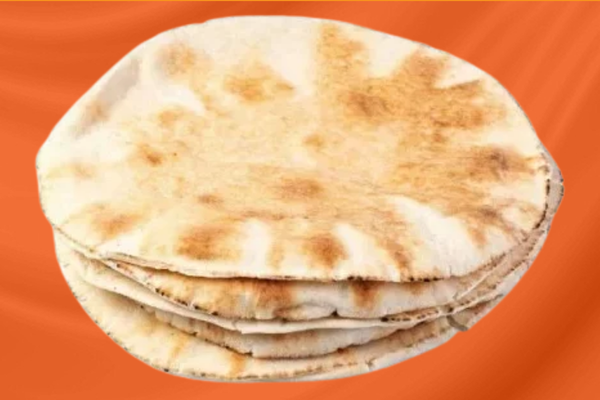
Lebanese bread, khubz Arabi or pita, is one of the oldest and most refined bread forms in the world. Its preparation has not changed substantially in centuries because it reached a state of near-perfection long ago and there was nothing to improve. Thin, flat, and baked at high temperature, Lebanese bread develops a crispy exterior and a slightly chewy interior with a pocket of steam-leavened space in the centre. This pocket is not accidental, it is the structural characteristic that makes Lebanese bread the ideal vessel for fillings, dips, and sauces.
At Grandpa Chef in Sharjah, Lebanese bread is served fresh daily. We do not use stale or previously frozen bread that has been reheated to approximate freshness. The freshness of the bread is apparent immediately, the bread has flexibility without the chewiness that comes from moisture loss over time. It tears cleanly and holds its structure when loaded with filling or sauce. This freshness is a quality standard we maintain because stale bread undermines every preparation it accompanies.
Lebanese bread serves more roles on the Grandpa Chef menu than any other single item. It is the vehicle for our shawarma fillings when requested in the bread-and-fill format rather than the pre-assembled wrap. It is the scooping instrument for hummus shawarma. It is the dipping medium for tahini, garlic sauce, and spicy sauce. It is the accompaniment to grilled chicken and broasted chicken for customers who prefer bread to fries. And it stands entirely on its own with a dipping sauce as a standalone snack or appetiser element.
This versatility reflects the place Lebanese bread has in Middle Eastern food culture. It is not a specialised item. It is the universal accompaniment, the bread form that works with savoury and rich preparations, with wet and dry foods, in eating contexts that range from formal plated meals to street food eaten standing. Grandpa Chef keeps it on the menu as a permanent item because its versatility makes it relevant to almost every eating occasion.
The most satisfying way to eat Lebanese bread at Grandpa Chef is with one of our sauce accompaniments. The bread tears cleanly from the round, allowing you to create pieces of any size. These pieces are then pressed against the sauce, whether tahini, garlic, or spicy, and the sauce absorbs into the torn edge rather than only coating the surface. This absorption creates a more integrated flavour experience than surface coating alone produces.
Lebanese bread with tahini and a sprinkle of za atar, the thyme-sesame-sumac spice blend that is traditional in Lebanese cooking, is one of the most satisfying combinations available in Middle Eastern food. At Grandpa Chef, the tahini and bread combination is always available. Za atar as an additional element can be requested at the counter when available.
Customers who receive their shawarma as a pre-assembled wrap are getting Lebanese bread already integrated into the preparation. However, customers who order their shawarma as a plate preparation and want bread alongside it can order the Lebanese bread as a separate side to accompany the plate. This is particularly relevant for the hummus shawarma preparation, where the bread functions as the primary eating instrument rather than simply as an accompaniment.
The interaction between Lebanese bread and shawarma in the plate context is different from the wrap context. In the wrap, the bread is compressed and the filling is sealed inside. On the plate, you tear the bread and use it to pick up shawarma meat and sauce together. The proportion of bread to filling in each bite is self-determined. This control over your own bite composition is one of the pleasures of the plate-with-bread format over the pre-assembled wrap.
Lebanese bread is part of our Lebanese bread and extras Sharjah range. It is the most traditional and most versatile item in the sides section. For customers who want to understand how Lebanese bread integrates with the broader Grandpa Chef menu, the most instructive starting point is ordering it alongside a shawarma plate or alongside our hummus shawarma preparation. In both contexts, the bread is not just an extra, it is a functional part of how the meal is eaten.
The related preparation that most naturally accompanies Lebanese bread is our Lebanese beef shawarma wrap Sharjah, where the bread is already the primary vessel for the preparation. Understanding how the bread performs when it is the wrap versus when it is a separate side gives a complete picture of Lebanese bread s role in our menu.
Is Lebanese bread served warm?
Yes. We serve Lebanese bread warm or at a temperature that reflects its freshness. Bread that has been sitting and cooled is not served without refreshing. Please let us know if your bread arrives cold on any visit.
Is Lebanese bread suitable for customers who avoid gluten?
Lebanese bread is made from wheat flour and contains gluten. It is not suitable for customers with coeliac disease or gluten intolerance. Please inform the team of any gluten restriction when ordering so we can suggest appropriate alternatives.
Can I order multiple pieces of Lebanese bread?
Yes. Additional Lebanese bread portions can be ordered at the counter. We provide individual rounds, please specify how many rounds you want when ordering.
Lebanese bread, khubz Arabi or pita, is one of the oldest and most refined bread forms in the world. Its preparation has not changed substantially in centuries because it reached a state of near-perfection long ago and there was nothing to improve. Thin, flat, and baked at high temperature, Lebanese bread develops a crispy exterior and a slightly chewy interior with a pocket of steam-leavened space in the centre. This pocket is not accidental, it is the structural characteristic that makes Lebanese bread the ideal vessel for fillings, dips, and sauces.
At Grandpa Chef in Sharjah, Lebanese bread is served fresh daily. We do not use stale or previously frozen bread that has been reheated to approximate freshness. The freshness of the bread is apparent immediately, the bread has flexibility without the chewiness that comes from moisture loss over time. It tears cleanly and holds its structure when loaded with filling or sauce. This freshness is a quality standard we maintain because stale bread undermines every preparation it accompanies.
Lebanese bread serves more roles on the Grandpa Chef menu than any other single item. It is the vehicle for our shawarma fillings when requested in the bread-and-fill format rather than the pre-assembled wrap. It is the scooping instrument for hummus shawarma. It is the dipping medium for tahini, garlic sauce, and spicy sauce. It is the accompaniment to grilled chicken and broasted chicken for customers who prefer bread to fries. And it stands entirely on its own with a dipping sauce as a standalone snack or appetiser element.
This versatility reflects the place Lebanese bread has in Middle Eastern food culture. It is not a specialised item. It is the universal accompaniment, the bread form that works with savoury and rich preparations, with wet and dry foods, in eating contexts that range from formal plated meals to street food eaten standing. Grandpa Chef keeps it on the menu as a permanent item because its versatility makes it relevant to almost every eating occasion.
The most satisfying way to eat Lebanese bread at Grandpa Chef is with one of our sauce accompaniments. The bread tears cleanly from the round, allowing you to create pieces of any size. These pieces are then pressed against the sauce, whether tahini, garlic, or spicy, and the sauce absorbs into the torn edge rather than only coating the surface. This absorption creates a more integrated flavour experience than surface coating alone produces.
Lebanese bread with tahini and a sprinkle of za atar, the thyme-sesame-sumac spice blend that is traditional in Lebanese cooking, is one of the most satisfying combinations available in Middle Eastern food. At Grandpa Chef, the tahini and bread combination is always available. Za atar as an additional element can be requested at the counter when available.
Customers who receive their shawarma as a pre-assembled wrap are getting Lebanese bread already integrated into the preparation. However, customers who order their shawarma as a plate preparation and want bread alongside it can order the Lebanese bread as a separate side to accompany the plate. This is particularly relevant for the hummus shawarma preparation, where the bread functions as the primary eating instrument rather than simply as an accompaniment.
The interaction between Lebanese bread and shawarma in the plate context is different from the wrap context. In the wrap, the bread is compressed and the filling is sealed inside. On the plate, you tear the bread and use it to pick up shawarma meat and sauce together. The proportion of bread to filling in each bite is self-determined. This control over your own bite composition is one of the pleasures of the plate-with-bread format over the pre-assembled wrap.
Lebanese bread is part of our Lebanese bread and extras Sharjah range. It is the most traditional and most versatile item in the sides section. For customers who want to understand how Lebanese bread integrates with the broader Grandpa Chef menu, the most instructive starting point is ordering it alongside a shawarma plate or alongside our hummus shawarma preparation. In both contexts, the bread is not just an extra, it is a functional part of how the meal is eaten.
The related preparation that most naturally accompanies Lebanese bread is our Lebanese beef shawarma wrap Sharjah, where the bread is already the primary vessel for the preparation. Understanding how the bread performs when it is the wrap versus when it is a separate side gives a complete picture of Lebanese bread s role in our menu.
Is Lebanese bread served warm?
Yes. We serve Lebanese bread warm or at a temperature that reflects its freshness. Bread that has been sitting and cooled is not served without refreshing. Please let us know if your bread arrives cold on any visit.
Is Lebanese bread suitable for customers who avoid gluten?
Lebanese bread is made from wheat flour and contains gluten. It is not suitable for customers with coeliac disease or gluten intolerance. Please inform the team of any gluten restriction when ordering so we can suggest appropriate alternatives.
Can I order multiple pieces of Lebanese bread?
Yes. Additional Lebanese bread portions can be ordered at the counter. We provide individual rounds, please specify how many rounds you want when ordering.
Lebanese bread is an add-on item that helps complete your order. Pair it with shawarma, burgers, chicken meals or drinks from the menu.



Reviews
There are no reviews yet.