

Shawarma is one of the most popular street foods in the Middle East and has become a favorite meal across the world. Although many restaurants serve shawarma, not every version follows authentic Arabic traditions. The difference between authentic Arabic shawarma and regular shawarma goes far beyond the type of bread or the way it is wrapped. Traditional recipes, quality ingredients, slow cooking methods, and balanced flavors all contribute to an authentic experience.
Many people assume that every shawarma tastes the same, but food lovers quickly recognize the difference after trying a genuine Arabic shawarma. Authentic recipes have been perfected over generations and remain deeply connected to Middle Eastern culinary traditions. From carefully selected spices to freshly baked Arabic bread, every ingredient plays an important role in creating the perfect bite.
This guide explains what separates authentic Arabic shawarma from ordinary versions and why traditional preparation continues to attract shawarma lovers across the UAE and beyond.
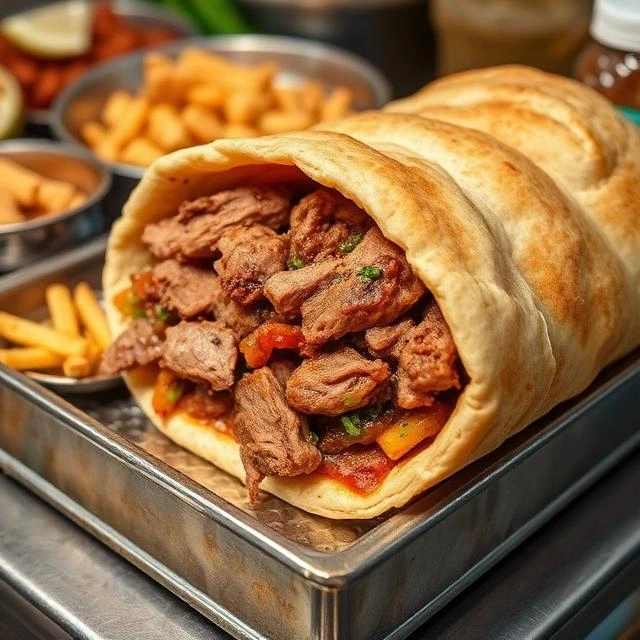
Authentic Arabic shawarma has its roots in the Middle East, where slow-roasted meat became an important part of traditional cuisine. Over the years, countries such as Lebanon, Syria, Jordan, and other parts of the region refined the recipe using local spices, fresh vegetables, and handmade sauces.
Unlike modern fast-food adaptations, traditional Arabic shawarma was developed around fresh preparation and careful cooking techniques. Every stage of the process focused on preserving flavor while maintaining the natural tenderness of the meat. Today, these traditional methods continue to define authentic Arabic shawarma in many restaurants across the UAE.
The foundation of authentic shawarma is high-quality meat. Restaurants that specialize in Arabic cuisine carefully select fresh chicken, beef, or lamb instead of relying on frozen or heavily processed products.
Fresh meat absorbs marinades more effectively, resulting in deeper flavor and better texture. It also remains juicy during the slow roasting process, giving every slice a tender and flavorful finish. This attention to ingredient quality is one of the biggest differences between authentic Arabic shawarma and ordinary fast-food wraps.
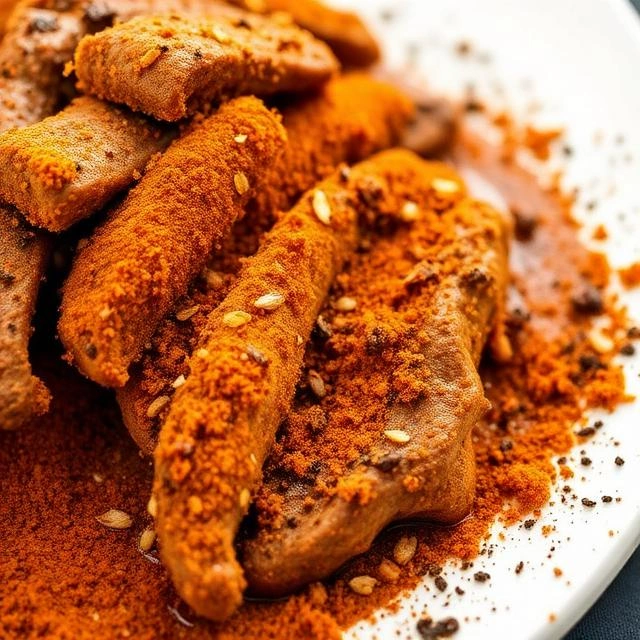
One of the defining characteristics of authentic Arabic shawarma is its carefully prepared marinade. Traditional recipes use a balanced combination of yogurt, garlic, lemon juice, olive oil, and Middle Eastern spices including cumin, coriander, paprika, turmeric, cinnamon, black pepper, and cardamom.
The meat is typically marinated for many hours to allow these flavors to penetrate deeply. This process produces meat that is both aromatic and tender while preserving its natural juiciness. Short marination times often result in meat that lacks the depth of flavor found in authentic Arabic shawarma.
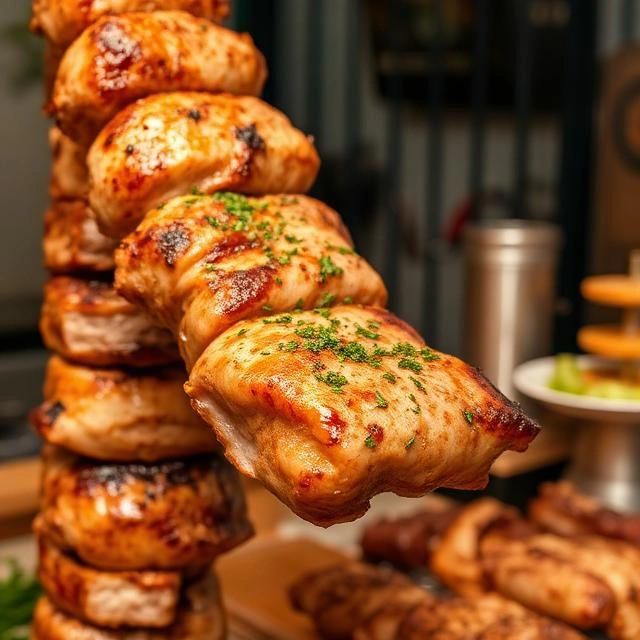
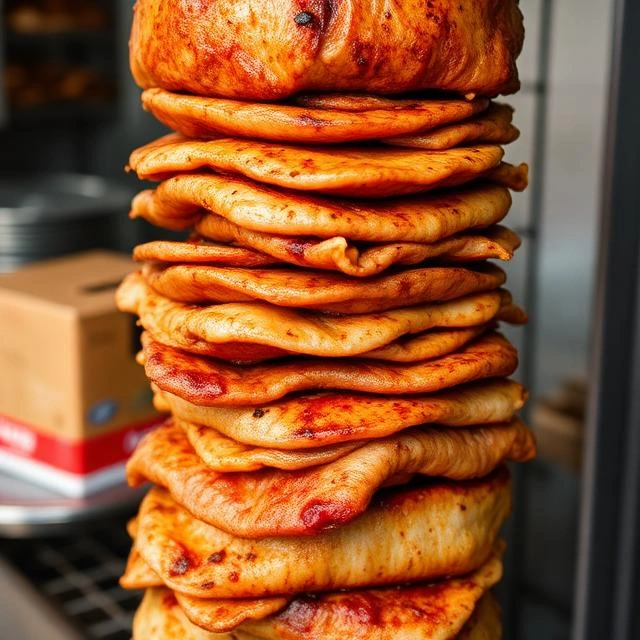
Authentic shawarma is cooked on a vertical rotisserie, where layers of marinated meat slowly rotate in front of controlled heat. Instead of cooking everything at once, only the outer layer becomes perfectly roasted before being sliced thinly by the chef.
This cooking method allows the remaining meat to continue roasting gradually while preserving moisture. Each freshly carved slice delivers the perfect combination of crispy edges and juicy interior, creating the signature texture that shawarma lovers expect.
Bread is much more than a wrapper for shawarma. Authentic Arabic shawarma is usually served in soft pita bread or thin saj bread that complements the meat without overpowering it.
Freshly baked bread remains soft while holding sauces, vegetables, and meat together. Unlike thicker bread used in some fast-food versions, traditional Arabic bread allows the flavors of the filling to remain the main focus of every bite.
Vegetables play an important role in authentic Arabic shawarma by adding freshness, crunch, and natural flavor. Tomatoes, lettuce, onions, cucumbers, and pickled vegetables provide a refreshing contrast to the rich meat.
Pickles are particularly important because their slight acidity balances the richness of the meat and garlic sauce. This combination creates the balanced flavor profile that distinguishes authentic Arabic shawarma from ordinary wraps overloaded with unnecessary ingredients.
One of the most recognizable elements of Arabic shawarma is traditional garlic sauce, also known as toum. Made from garlic, oil, lemon juice, and salt, this creamy sauce delivers bold flavor without overwhelming the other ingredients.
Unlike commercial mayonnaise-based sauces, authentic garlic sauce has a lighter texture and stronger natural taste. It enhances the meat while maintaining the traditional character of Arabic cuisine.
Authentic Arabic shawarma is never excessively spicy. Instead, it relies on carefully balanced spices that complement the meat rather than dominate it.
Cumin provides warmth, paprika adds mild sweetness, coriander contributes freshness, and black pepper introduces gentle heat. Each spice has a specific purpose, creating layers of flavor instead of overwhelming the palate.
Authentic shawarma is prepared throughout the day rather than being pre-cooked in large batches. Fresh slicing ensures the meat remains juicy while preserving its roasted exterior.
Restaurants that follow traditional methods continuously monitor cooking temperatures and slice meat only when customers place an order. This attention to freshness results in better texture, richer aroma, and superior overall quality.
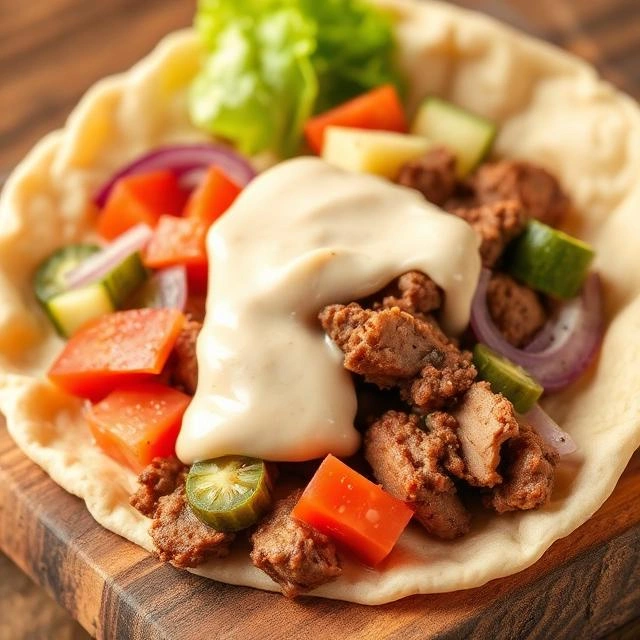
Traditional Arabic shawarma focuses on quality rather than excessive fillings. Instead of adding multiple sauces or processed toppings, authentic recipes rely on fresh meat, vegetables, garlic sauce, and warm Arabic bread.
This simplicity allows every ingredient to contribute naturally without masking the original flavors. The result is a cleaner, more satisfying eating experience that reflects authentic Middle Eastern cooking traditions.
Many commercial shawarma outlets prepare meat long before serving, which can reduce moisture and flavor. Authentic Arabic restaurants avoid this practice by serving freshly carved meat directly from the rotating spit.
If you want to experience the authentic taste of traditional Middle Eastern cuisine, choosing grilled chicken Arabic shawarma prepared using fresh ingredients and traditional cooking methods offers a richer flavor and a more satisfying dining experience.
Every authentic Arabic shawarma recipe begins with a carefully balanced spice blend rather than a single dominant seasoning. These spices have been used in Middle Eastern cooking for generations and are selected to enhance the natural flavor of the meat instead of masking it.
Traditional spice blends commonly include cumin, coriander, paprika, turmeric, cinnamon, cardamom, black pepper, garlic, and a touch of cloves. Each ingredient contributes its own aroma and depth, creating the rich, layered flavor that authentic shawarma is known for.
Fresh ingredients are one of the biggest reasons authentic Arabic shawarma tastes different from ordinary fast food. Restaurants that specialize in traditional shawarma prepare fresh vegetables, sauces, and bread every day to maintain consistent quality.
Using premium ingredients not only improves taste but also enhances texture and presentation. Fresh lettuce remains crisp, tomatoes stay juicy, and pickled vegetables provide the perfect balance of acidity that complements the roasted meat.
Arabic bread is an important part of the overall shawarma experience. Whether prepared using soft pita bread or traditional saj bread, freshly baked bread creates the perfect texture while keeping the filling intact.
Unlike thick commercial wraps, authentic Arabic bread remains light and flexible. It absorbs garlic sauce without becoming soggy and allows the flavors of the meat to remain the highlight of every bite.
Many fast-food restaurants overload shawarma with sauces and fillings, believing that more ingredients automatically create better flavor. Traditional Arabic shawarma follows a completely different philosophy.
Every ingredient has a specific purpose. The meat remains the centerpiece, while vegetables, garlic sauce, and pickles enhance the flavor without overpowering it. This careful balance creates a cleaner and more satisfying taste.
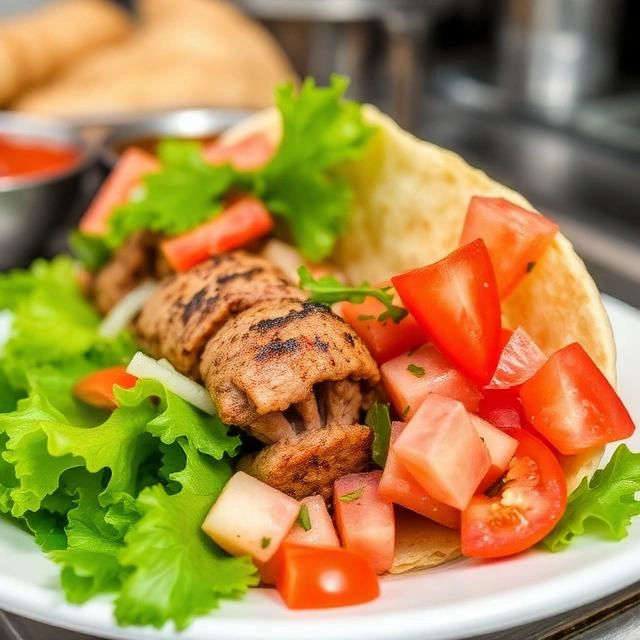
Authentic garlic sauce, known as toum, is one of the defining characteristics of Arabic shawarma. Unlike commercial mayonnaise-based sauces, traditional toum is prepared using garlic, vegetable oil, lemon juice, and salt.
Its creamy texture and bold garlic flavor complement roasted meat perfectly. Because it contains simple ingredients, it enhances rather than hides the authentic taste of the shawarma.
Pickled cucumbers, turnips, and peppers are commonly served inside authentic Arabic shawarma. These vegetables introduce acidity that balances the richness of the meat and garlic sauce.
Without pickles, shawarma can feel overly heavy. Their crisp texture and refreshing flavor create contrast, making every bite more enjoyable while remaining faithful to traditional Middle Eastern recipes.
The slow vertical roasting method allows meat to cook gradually while retaining its natural juices. Only the outer layer becomes perfectly caramelized before being sliced for serving.
This process prevents the meat from drying out and creates the tender texture that authentic shawarma is famous for. Every fresh slice contains both crispy edges and juicy interior pieces.
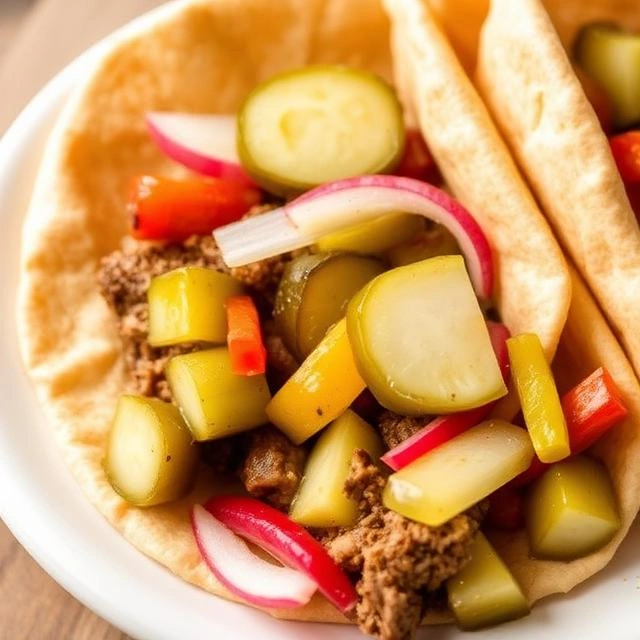
Consistency is one of the hallmarks of a professional shawarma restaurant. Experienced chefs monitor temperature, carving techniques, and seasoning throughout the day to ensure every serving maintains the same high quality.
Customers expect the same authentic taste each time they order, and traditional preparation methods help achieve that consistency without relying on artificial flavor enhancers.
Although shawarma follows the same basic preparation method across the Middle East, each country introduces subtle regional differences. Lebanese shawarma often highlights garlic sauce and pickles, while Syrian recipes may include additional spice variations.
Jordanian and Palestinian styles sometimes feature different marinades or serving methods. Despite these variations, authentic Arabic shawarma always maintains its emphasis on fresh ingredients, balanced spices, and slow-roasted meat.
Most traditional Arabic shawarma restaurants prepare halal-certified meat according to Islamic dietary guidelines. This provides confidence for customers seeking meals that meet religious and quality standards.
Halal preparation also emphasizes cleanliness, careful meat handling, and responsible sourcing, which further contributes to the overall quality of authentic Arabic shawarma.
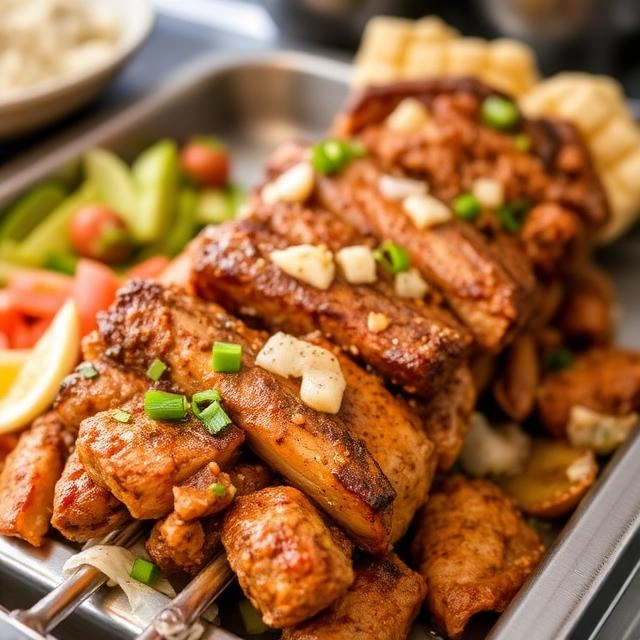
When prepared using fresh ingredients, Arabic shawarma can be a balanced meal. Chicken provides lean protein, vegetables contribute vitamins and fiber, while garlic contains natural compounds that have been studied for their potential health benefits.
Choosing grilled meat, moderate sauce, and fresh vegetables creates a meal that is both satisfying and more balanced than many heavily processed fast-food alternatives.
Many people believe every wrapped meat sandwich is shawarma. In reality, authentic Arabic shawarma follows very specific cooking techniques and ingredient combinations.
Others assume shawarma is always spicy, but traditional recipes focus more on aromatic spices than intense heat. The flavor comes from careful seasoning rather than excessive chili.
Another misconception is that all shawarma uses the same bread. Authentic restaurants often choose between pita and saj bread depending on regional tradition and customer preference.
Customers can usually identify authentic shawarma by observing a few simple details. Freshly rotating meat on a vertical spit, visible carving during service, homemade garlic sauce, fresh vegetables, and warm Arabic bread are all positive signs.
Restaurants that prepare ingredients daily and avoid excessive processed sauces usually deliver a more authentic Middle Eastern dining experience. Attention to cleanliness, ingredient quality, and traditional cooking methods often reflects the overall commitment to authenticity.