

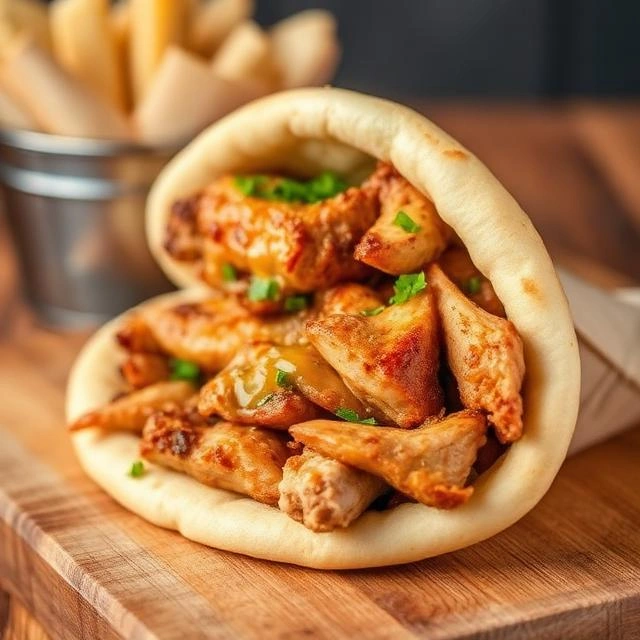
The quality of Arabic shawarma depends on much more than perfectly marinated meat and traditional spices. Bread plays an equally important role in creating the authentic flavour, texture, and eating experience that customers expect from Middle Eastern cuisine. Whether served in pita bread, saj bread, or Lebanese bread, the right choice influences how well the sandwich holds together, absorbs juices, complements garlic sauce, and balances the ingredients. Across Sharjah, particularly in Al Majaz, Muwaileh, Al Nahda, Rolla, Al Qasimia, Al Khan, Abu Shagara, and Al Taawun, authentic shawarma restaurants continue to use traditional Arabic bread because it preserves the original taste that has been enjoyed throughout the Levant for generations.
Bread is more than a wrapper for shawarma. It serves as the foundation that brings together grilled chicken, fresh vegetables, homemade garlic sauce, tahini, pickled turnips, parsley, onions, tomatoes, and Middle Eastern spices into one balanced meal. Traditional Arabic bread is designed to remain soft while absorbing the natural juices released by freshly carved meat. Unlike thicker sandwich bread or tortillas, authentic Arabic bread allows every ingredient to remain noticeable without overwhelming the delicate flavours created during marination and slow roasting.
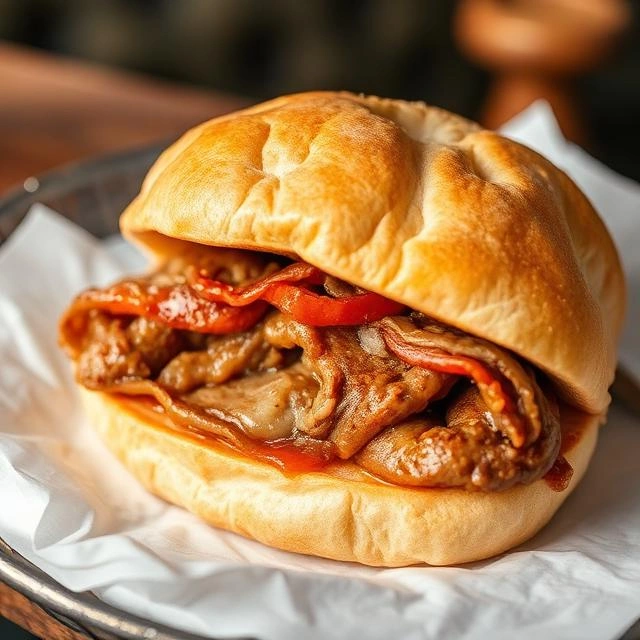
Pita bread is one of the most recognised flatbreads in Middle Eastern cuisine. Prepared using wheat flour, yeast, water, salt, and olive oil, it develops a characteristic pocket during baking that can be filled with grilled meat and fresh vegetables. Its soft interior and lightly browned exterior make it one of the most versatile breads served alongside Arabic dishes.
Many restaurants prepare chicken shawarma using pita because it offers a satisfying balance between softness and durability. The pocket helps contain sauces while preventing ingredients from falling out, making it convenient for dine-in meals and takeaway orders throughout Sharjah.
Chicken shawarma is known for its tender texture, garlic sauce, and aromatic spice blend. Pita bread complements these qualities because it absorbs the meat juices without becoming excessively soft. Its slightly chewy structure provides enough strength to support generous fillings while remaining light enough to allow the flavour of the grilled chicken to remain the centre of attention.
Freshly baked pita also develops a mild toasted flavour when lightly grilled before serving, adding another layer of texture that enhances the overall shawarma experience.
Saj bread, sometimes called markook bread, is one of the oldest traditional flatbreads in the Levant. It is baked on a large convex metal dome known as a saj, producing an exceptionally thin, flexible bread with a delicate texture. Because it is thinner than pita, saj wraps tightly around shawarma ingredients, allowing every bite to contain an even balance of meat, vegetables, garlic sauce, and spices.
Many authentic Arabic restaurants consider saj bread the preferred choice because it creates a lighter sandwich while allowing the freshly grilled meat to remain the dominant flavour.
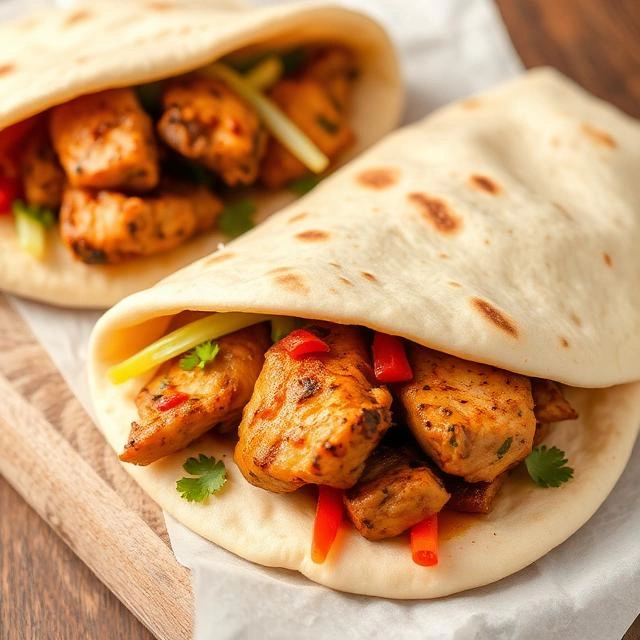
One of the main reasons saj bread is highly valued is its ability to wrap tightly around freshly carved shawarma without becoming bulky. Since the bread itself is thin, customers enjoy more grilled chicken and fewer carbohydrates in every bite. The flexibility of saj also helps retain warmth while keeping the sandwich compact and easy to eat.
Fresh saj bread absorbs garlic sauce and meat juices naturally without becoming soggy, preserving the texture expected from authentic Arabic shawarma prepared according to traditional recipes.
Lebanese bread shares similarities with pita but is generally thinner, softer, and larger in diameter. Its flexibility makes it suitable for wrapping generous portions of shawarma while maintaining an even distribution of ingredients. Lebanese bakeries have perfected this bread over generations, making it one of the most common choices for authentic shawarma restaurants throughout the Middle East.
Its neutral flavour allows traditional marinades, garlic sauce, tahini, and fresh vegetables to remain the primary taste, making it popular for both chicken and beef shawarma.
Regardless of whether pita, saj, or Lebanese bread is selected, freshness remains the most important factor. Freshly baked bread provides softness, elasticity, and natural aroma that complement grilled shawarma perfectly. Bread prepared daily also maintains its ability to absorb juices while preventing cracking or tearing during wrapping.
Restaurants committed to authentic Arabic cuisine often source bread several times each day to ensure customers receive shawarma with the same freshness found throughout traditional Middle Eastern markets and bakeries.
Authentic Arabic shawarma is carefully balanced. Fresh chicken marinated with yogurt, olive oil, garlic, cumin, coriander, paprika, turmeric, cinnamon, and cardamom requires bread that enhances rather than competes with these flavours. Fresh tomatoes, parsley, onions, cucumbers, pickled turnips, and homemade toum garlic sauce all rely on soft Arabic bread to create harmony within the sandwich.
This balance explains why traditional breads continue to outperform modern alternatives. Their simple ingredients and delicate texture allow the freshness of the fillings to define the eating experience while preserving the authenticity of Middle Eastern shawarma.
Although pita bread, saj bread, and Lebanese bread are all traditional choices, different regions of the Levant have developed their own preferences over time. In Lebanon, many shawarma restaurants favour thin Lebanese bread because it wraps tightly and allows the flavour of the meat to stand out. In Syria and Jordan, saj bread is widely used for its delicate texture and ability to hold generous fillings. Pita bread remains a popular option throughout the Middle East because of its versatility and convenient pocket design. Rather than one bread being universally superior, authenticity depends on following traditional baking methods and using fresh ingredients that complement the shawarma.
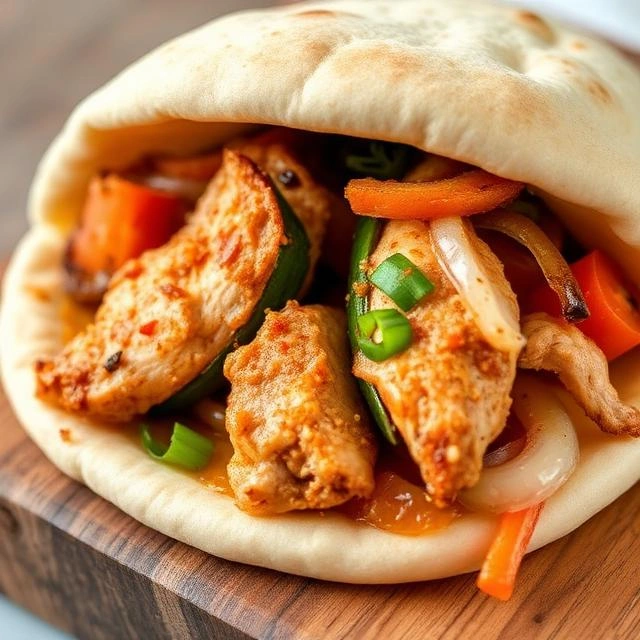
Texture is one of the most overlooked aspects of a great shawarma. Fresh Arabic bread should remain soft enough to fold without cracking while offering enough strength to support juicy grilled meat, garlic sauce, and fresh vegetables. Thick or overly dense bread can dominate the flavour, making the sandwich feel heavy. Thin traditional breads create a better balance because they allow customers to enjoy the spices, marinades, and freshly grilled chicken without distraction. This balance of texture is one of the reasons authentic shawarma has remained popular for generations.
Authentic shawarma begins with carefully marinated chicken prepared using yogurt, olive oil, garlic, lemon juice, paprika, cumin, coriander, cinnamon, turmeric, black pepper, cardamom, and baharat seasoning. These ingredients develop deep flavour during slow roasting on a vertical rotisserie. Fresh pita, saj, or Lebanese bread absorbs the natural juices released during cooking without becoming soggy. Because freshly baked bread has a mild flavour, it enhances the aromatic spices instead of masking them, creating the balanced taste associated with authentic Arabic shawarma.
Garlic sauce, commonly known as toum, and traditional tahini sauce are essential components of Arabic shawarma. The bread chosen determines how these sauces are distributed throughout the sandwich. Saj bread spreads sauces evenly because of its thin surface, ensuring every bite contains a consistent flavour. Lebanese bread also distributes sauces effectively while remaining soft and flexible. Pita bread, with its internal pocket, creates separate layers that hold both meat and sauces securely. Each bread provides a slightly different eating experience while preserving the authenticity of the recipe.
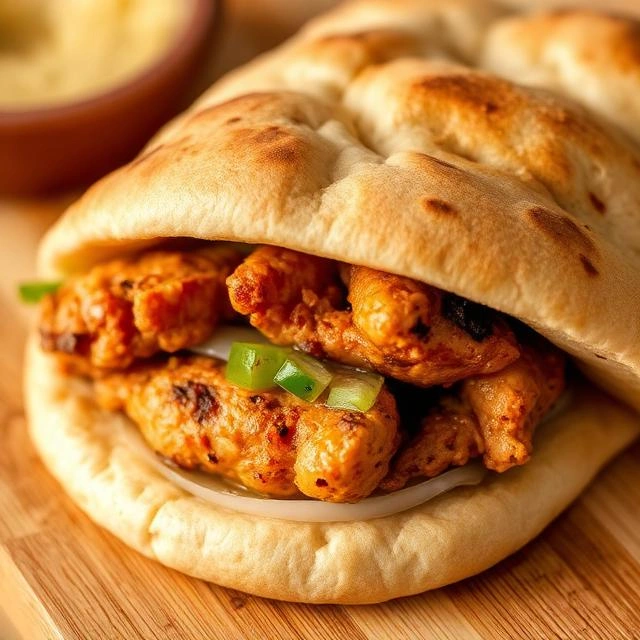
Every ingredient inside authentic shawarma serves a purpose. Fresh parsley introduces herbal freshness, tomatoes provide natural sweetness, onions add sharpness, cucumbers create crispness, and pickled turnips contribute a tangy contrast that balances the richness of grilled meat. The bread acts as the foundation that holds these flavours together without overwhelming them. Thin Arabic flatbreads ensure the filling remains the highlight, allowing customers to appreciate the careful balance of spices, vegetables, sauces, and freshly roasted chicken in every bite.
Many customers today pay greater attention to nutrition while enjoying traditional foods. Freshly baked Arabic breads generally contain simple ingredients including wheat flour, water, yeast, and salt without unnecessary preservatives. Saj bread is often considered a lighter option because it is thinner than standard pita bread, while whole wheat pita provides additional dietary fibre for those seeking healthier alternatives. When combined with grilled chicken, fresh vegetables, and moderate amounts of garlic sauce, traditional Arabic bread can form part of a balanced meal without sacrificing authentic flavour.
One of the first signs of an authentic shawarma restaurant is the quality of its bread. Warm, freshly baked pita, saj, or Lebanese bread immediately enhances aroma, texture, and presentation. Customers notice the difference when bread is soft, flexible, and prepared daily rather than stored for extended periods. Across Sharjah, restaurants in Al Majaz, Muwaileh, Al Nahda, Rolla, Al Qasimia, Al Khan, Abu Shagara, and Industrial Area continue to value fresh bread because it reflects the hospitality and culinary traditions of the Middle East.
Different shawarma recipes naturally pair better with specific breads. Chicken shawarma served with garlic sauce often complements thin saj bread because it creates a light, evenly wrapped sandwich. Beef shawarma paired with tahini works exceptionally well in Lebanese bread, allowing the rich flavours to remain balanced. Pita bread remains an excellent choice for larger portions with generous fillings because its pocket helps contain sauces and vegetables. The choice ultimately depends on the desired texture while maintaining traditional preparation methods.
Arabic bread has been an essential part of Middle Eastern cuisine for centuries. Traditional baking techniques have been preserved through generations, allowing pita, saj, and Lebanese bread to remain central to authentic shawarma preparation. Although modern bakeries now use advanced equipment, the ingredients and baking principles remain remarkably consistent. This respect for culinary heritage helps preserve the original flavours that continue to attract residents and visitors seeking authentic Arabic food throughout Sharjah and the wider UAE.
Choosing between pita bread, saj bread, and Lebanese bread depends on personal preference, regional tradition, and the style of shawarma being prepared. Each bread contributes unique characteristics while supporting the authentic flavours of freshly grilled chicken, aromatic Middle Eastern spices, homemade garlic sauce, tahini, and crisp vegetables. What matters most is freshness, quality ingredients, and traditional preparation methods. Those looking to enjoy authentic Arabic flavours prepared with freshly baked bread and premium ingredients can experience Healthy Shawarma in Sharjah, where traditional recipes, quality preparation, and genuine Middle Eastern hospitality come together to create an exceptional dining experience.