

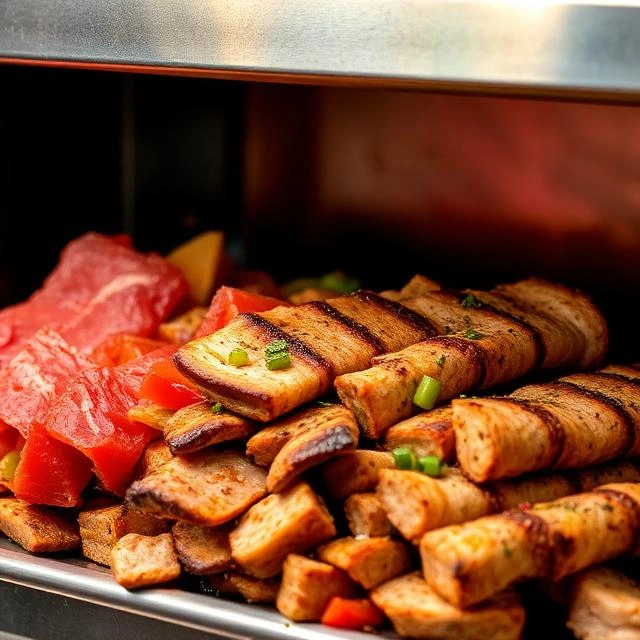
Although both varieties are prepared using the same cooking method, chicken and beef shawarma require different marinades and seasoning blends.
Chicken absorbs citrus and yogurt-based marinades well, creating a tender and juicy texture. Beef benefits from vinegar, olive oil, and warming spices that complement its richer flavor. Each recipe preserves the traditional characteristics that define authentic Arabic cuisine.
Toum is one of the most recognizable accompaniments to Arabic chicken shawarma. This creamy garlic sauce is made by emulsifying fresh garlic, vegetable oil, lemon juice, and salt until it becomes smooth and fluffy.
Unlike mayonnaise-based sauces, traditional toum contains no eggs. Its bold flavor enhances the chicken without masking the carefully balanced spices used during marination.
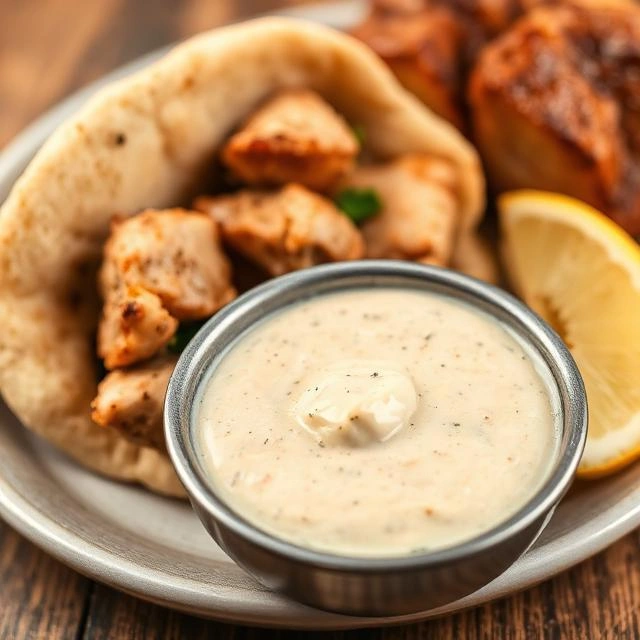
While chicken shawarma is commonly served with garlic sauce, beef shawarma is traditionally paired with tahini sauce.
Tahini is made from finely ground sesame seeds blended with lemon juice, garlic, water, and a small amount of salt. The nutty flavor complements roasted beef while adding a creamy texture that balances the richness of the meat.
Fresh herbs are an important finishing ingredient in traditional shawarma preparation.
Parsley is the most commonly used herb because it provides freshness while balancing the richness of the meat and sauces. Some chefs also add fresh mint for additional aroma, particularly when serving beef shawarma.
Preparing the wrap is a skill that requires experience.
The bread must hold the meat, vegetables, and sauces securely while remaining easy to eat. Traditional Arabic bread is gently folded around the filling before being tightly rolled to prevent ingredients from falling out during serving.
A properly wrapped shawarma maintains its shape while preserving every layer of flavor.
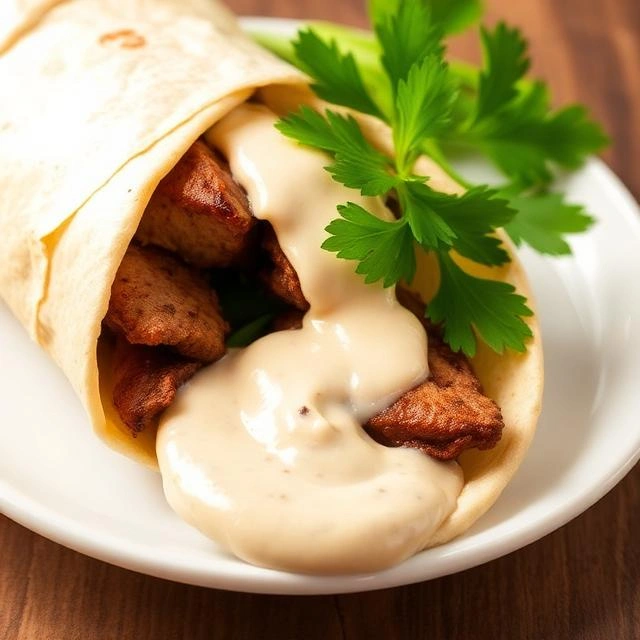
Many authentic Arabic restaurants lightly grill the finished wrap before serving.
This step crisps the outer layer of the bread while warming the fillings evenly. The slight crunch creates additional texture without drying out the meat or overpowering the traditional flavors.
Authentic shawarma depends on ingredient quality as much as cooking technique.
Fresh vegetables, high-quality halal meat, aromatic spices, and homemade sauces produce consistent flavor and texture. Using fresh ingredients every day ensures customers enjoy the same authentic experience with every order.
Professional shawarma kitchens follow strict food safety standards throughout the preparation process.
Fresh meat is stored at appropriate temperatures before marination, vegetables are washed thoroughly, and preparation surfaces are sanitized regularly. Maintaining proper hygiene protects food quality while ensuring customer safety.
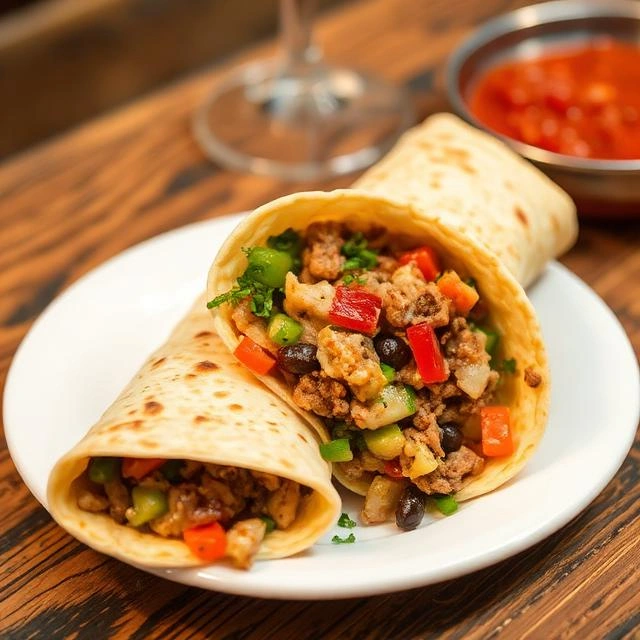
Authentic Arabic shawarma cannot be rushed.
The marination process alone often requires an entire day before cooking even begins. Slow roasting continues for several hours, allowing the meat to develop its characteristic tenderness while preserving natural juices inside every layer.
Patience is one of the defining characteristics of traditional shawarma preparation.
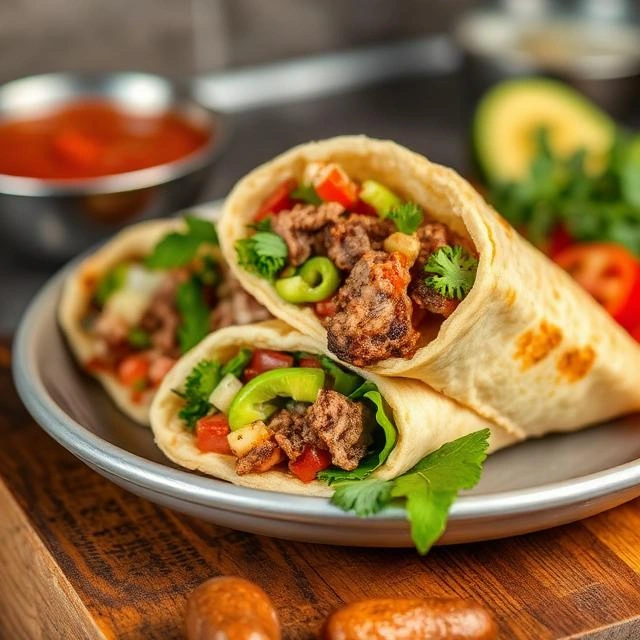
Although the basic cooking process remains similar, each country has developed its own style of shawarma.
Lebanese shawarma often emphasizes garlic sauce and pickled vegetables. Syrian recipes may include additional spices and thinner slices of meat. Jordanian and Palestinian shawarma frequently feature locally preferred seasoning combinations while maintaining traditional roasting techniques.
Despite these regional differences, the core principles remain unchanged.
The UAE has embraced authentic Arabic shawarma while preserving traditional Middle Eastern cooking methods.
Restaurants throughout Sharjah, Dubai, Abu Dhabi, Ajman, and Al Ain continue preparing shawarma using vertical rotisseries, fresh halal meat, homemade sauces, and carefully balanced spice blends that reflect authentic Levantine cuisine.
Many residents appreciate restaurants that remain faithful to these traditional methods instead of adopting fast-food shortcuts.
Although often considered street food, authentic Arabic shawarma represents generations of culinary heritage.
Every stage, from selecting premium meat to preparing homemade sauces and slow roasting on the vertical spit, reflects craftsmanship rather than convenience. The attention to detail is what separates authentic Arabic shawarma from ordinary meat wraps.
Customers looking for genuine Arabic shawarma should pay attention to preparation methods.
Freshly sliced meat, visible vertical rotisseries, homemade garlic sauce, freshly baked Arabic bread, crisp vegetables, and traditional spices are all signs of authentic preparation. These details often distinguish premium restaurants from establishments using pre-cooked or frozen meat.
Whether served as a wrap, sandwich, or platter with fries and pickles, authentic Arabic shawarma delivers a complete dining experience.
The balance of tender meat, aromatic spices, creamy sauces, fresh vegetables, and warm bread creates layers of flavor that have made shawarma one of the Middle East’s most beloved dishes.
For anyone seeking Premuim Aracbic Shawarma in Sharjah , choosing a restaurant that follows traditional preparation methods, from long marination and slow roasting to freshly prepared sauces and quality ingredients,
provides the closest experience to authentic Levantine shawarma.
Modern kitchen equipment has improved efficiency, but the traditional principles behind Arabic shawarma remain unchanged.
Premium ingredients, patient preparation, skilled chefs, and authentic recipes continue to produce the exceptional flavor that has made shawarma popular around the world. Preserving these traditions ensures future generations can continue enjoying one of the Middle East’s greatest culinary specialties.
Arabic shawarma is much more than roasted meat wrapped in bread. It is the result of centuries of culinary tradition, combining carefully selected halal meat, aromatic Middle Eastern spices, long marination, slow roasting, fresh vegetables, and homemade sauces into one unforgettable meal.
From the first step of preparing the marinade to the final serving, every stage contributes to the authentic taste that people across Sharjah, Dubai, Abu Dhabi, and the wider UAE continue to enjoy. By following traditional cooking methods and using fresh ingredients, restaurants preserve the rich heritage of Arabic shawarma while delivering the quality and flavor that customers expect from an authentic Middle Eastern dining experience.