10,00 د.إ
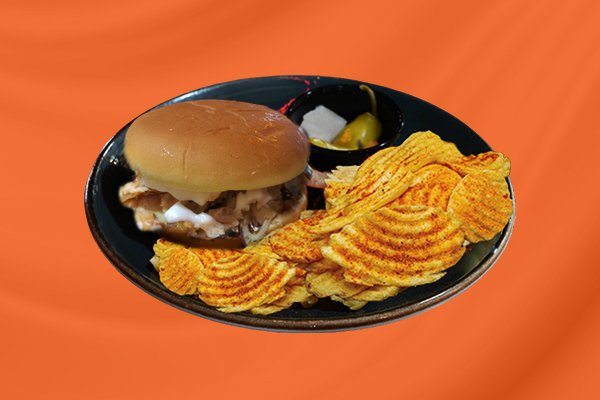
Egyptian Chicken Shawarma from Grandpa Chef pairs well with sauce or fresh juice. Browse related menu choices in Muwaileh, Sharjah.
Egyptian chicken shawarma is the most underrepresented shawarma style in the UAE food landscape. While Lebanese and Arabic shawarma dominate menus from Sharjah to Dubai, Egyptian shawarma carries a distinct regional identity shaped by generations of cooking in a different climate, with different spice trade access, and under different culinary influences from North Africa, the Ottoman Empire, and the Nile Delta s own food traditions. At Grandpa Chef, we serve Egyptian chicken shawarma with genuine respect for this identity.
The defining characteristic of Egyptian chicken shawarma is the baharat spice blend. Unlike Arabic shawarma where cinnamon and cardamom lead, Egyptian baharat emphasises paprika, black pepper, and coriander. The overall impression is earthier and more robustly savoury. There is less of the floral, aromatic character of Arabic spicing and more of the direct, meatier quality of paprika-forward seasoning. The vinegar in the marinade, which replaces the lemon juice of Lebanese preparation, adds a background tartness that is subtle but identifiable.
Baharat is the Arabic word for spices, and the baharat blend varies significantly by region. Egyptian baharat contains paprika at a higher proportion than any other regional variant. This paprika dominance gives the marinade a characteristic reddish colour that transfers to the cooked chicken, creating a slightly reddish-brown skin on the spit rather than the yellower colour of Arabic shawarma. The paprika flavour is warm and slightly sweet, providing a foundation that the other spices build upon.
Black pepper in Egyptian baharat is present in a proportion that makes its contribution obvious. The dry heat of black pepper builds gradually across a meal. In Egyptian chicken shawarma, this building heat reaches its peak around the third or fourth bite, not as a sudden shock but as a warming that grows steadily. For customers who find Arabic shawarma s aromatic warmth insufficient, the Egyptian preparation provides a different kind of intensity through pepper rather than through cinnamon and cardamom.
Replacing lemon juice with vinegar in the Egyptian marinade produces a different acid character. Lemon juice is bright and citrusy. Vinegar is sharper, more pointed, with a slightly astringent quality. In the cooked chicken, the vinegar character does not remain as a vinegar flavour, it mellows through the cooking process into a subtle tartness in the background of the flavour profile. Experienced palates can identify it. Less attentive eaters simply notice that the Egyptian preparation has a slightly different finish from Arabic or Lebanese shawarma.
The tenderising effect of vinegar on chicken protein is slightly different from lemon juice. Vinegar is a stronger acid, which means it can over-tenderise the outer protein layer if the marination time is too long. Our kitchen manages the marination duration for Egyptian chicken precisely, long enough to allow the spice penetration and acid tenderisation, short enough to avoid the mushy exterior texture that excessive vinegar marination produces.
Our Egyptian chicken and Egyptian beef shawarma use the same baharat blend but produce completely different eating experiences. Chicken is lighter and carries the bright spice notes more transparently. Beef is richer and the paprika-forward spice profile melds into the deeper flavour of the beef protein in a way that creates something denser and more assertive. The chicken version is the recommendation for first-time Egyptian shawarma customers. The beef version is the recommendation for customers who want the maximum Egyptian spice expression.
Egyptian chicken shawarma is served in pita bread at Grandpa Chef, the slightly puffier, denser bread that is traditional to the Egyptian preparation. The pita provides more structural integrity than thin Lebanese flatbread and absorbs sauce without becoming soft. For customers who find thin flatbread wraps messy, the pita format is the more practical option.
Fresh parsley inside the wrap is authentic to Egyptian shawarma preparation and we include it in our version. The herb character reinforces the herbaceous notes in the baharat blend and adds freshness that prevents the preparation from feeling heavy despite its earthy spice profile.
The Egyptian chicken shawarma is part of our broader Egyptian chicken shawarma in Sharjah range. For customers curious about how the Egyptian style expresses itself with a different protein, our Egyptian beef shawarma Sharjah provides the direct comparison within the same spice tradition.
Is Egyptian shawarma spicier than Arabic shawarma?
Differently spiced, not necessarily hotter. Egyptian shawarma has a more prominent black pepper presence and a paprika-forward character. Arabic shawarma has a warmer, more aromatic profile from cinnamon and cardamom. The heat level in both is moderate without being hot in the chilli sense.
Is the pita bread made fresh?
Our pita bread is sourced fresh daily for the Egyptian preparation. We do not use stale or reheated pita. The freshness of the bread is part of the quality standard we maintain for the Egyptian shawarma preparation.
Can I order Egyptian chicken shawarma as a plate?
The plate format, shawarma over rice, is available. Please ask at the counter about ordering Egyptian chicken shawarma in the plate format rather than as a wrap.
Egyptian chicken shawarma is the most underrepresented shawarma style in the UAE food landscape. While Lebanese and Arabic shawarma dominate menus from Sharjah to Dubai, Egyptian shawarma carries a distinct regional identity shaped by generations of cooking in a different climate, with different spice trade access, and under different culinary influences from North Africa, the Ottoman Empire, and the Nile Delta s own food traditions. At Grandpa Chef, we serve Egyptian chicken shawarma with genuine respect for this identity.
The defining characteristic of Egyptian chicken shawarma is the baharat spice blend. Unlike Arabic shawarma where cinnamon and cardamom lead, Egyptian baharat emphasises paprika, black pepper, and coriander. The overall impression is earthier and more robustly savoury. There is less of the floral, aromatic character of Arabic spicing and more of the direct, meatier quality of paprika-forward seasoning. The vinegar in the marinade, which replaces the lemon juice of Lebanese preparation, adds a background tartness that is subtle but identifiable.
Baharat is the Arabic word for spices, and the baharat blend varies significantly by region. Egyptian baharat contains paprika at a higher proportion than any other regional variant. This paprika dominance gives the marinade a characteristic reddish colour that transfers to the cooked chicken, creating a slightly reddish-brown skin on the spit rather than the yellower colour of Arabic shawarma. The paprika flavour is warm and slightly sweet, providing a foundation that the other spices build upon.
Black pepper in Egyptian baharat is present in a proportion that makes its contribution obvious. The dry heat of black pepper builds gradually across a meal. In Egyptian chicken shawarma, this building heat reaches its peak around the third or fourth bite, not as a sudden shock but as a warming that grows steadily. For customers who find Arabic shawarma s aromatic warmth insufficient, the Egyptian preparation provides a different kind of intensity through pepper rather than through cinnamon and cardamom.
Replacing lemon juice with vinegar in the Egyptian marinade produces a different acid character. Lemon juice is bright and citrusy. Vinegar is sharper, more pointed, with a slightly astringent quality. In the cooked chicken, the vinegar character does not remain as a vinegar flavour, it mellows through the cooking process into a subtle tartness in the background of the flavour profile. Experienced palates can identify it. Less attentive eaters simply notice that the Egyptian preparation has a slightly different finish from Arabic or Lebanese shawarma.
The tenderising effect of vinegar on chicken protein is slightly different from lemon juice. Vinegar is a stronger acid, which means it can over-tenderise the outer protein layer if the marination time is too long. Our kitchen manages the marination duration for Egyptian chicken precisely, long enough to allow the spice penetration and acid tenderisation, short enough to avoid the mushy exterior texture that excessive vinegar marination produces.
Our Egyptian chicken and Egyptian beef shawarma use the same baharat blend but produce completely different eating experiences. Chicken is lighter and carries the bright spice notes more transparently. Beef is richer and the paprika-forward spice profile melds into the deeper flavour of the beef protein in a way that creates something denser and more assertive. The chicken version is the recommendation for first-time Egyptian shawarma customers. The beef version is the recommendation for customers who want the maximum Egyptian spice expression.
Egyptian chicken shawarma is served in pita bread at Grandpa Chef, the slightly puffier, denser bread that is traditional to the Egyptian preparation. The pita provides more structural integrity than thin Lebanese flatbread and absorbs sauce without becoming soft. For customers who find thin flatbread wraps messy, the pita format is the more practical option.
Fresh parsley inside the wrap is authentic to Egyptian shawarma preparation and we include it in our version. The herb character reinforces the herbaceous notes in the baharat blend and adds freshness that prevents the preparation from feeling heavy despite its earthy spice profile.
The Egyptian chicken shawarma is part of our broader Egyptian chicken shawarma in Sharjah range. For customers curious about how the Egyptian style expresses itself with a different protein, our Egyptian beef shawarma Sharjah provides the direct comparison within the same spice tradition.
Is Egyptian shawarma spicier than Arabic shawarma?
Differently spiced, not necessarily hotter. Egyptian shawarma has a more prominent black pepper presence and a paprika-forward character. Arabic shawarma has a warmer, more aromatic profile from cinnamon and cardamom. The heat level in both is moderate without being hot in the chilli sense.
Is the pita bread made fresh?
Our pita bread is sourced fresh daily for the Egyptian preparation. We do not use stale or reheated pita. The freshness of the bread is part of the quality standard we maintain for the Egyptian shawarma preparation.
Can I order Egyptian chicken shawarma as a plate?
The plate format, shawarma over rice, is available. Please ask at the counter about ordering Egyptian chicken shawarma in the plate format rather than as a wrap.
Egyptian Chicken Shawarma brings an Egyptian shawarma style with bold seasoning, fresh bread and sauce. It is a good choice for anyone searching for shawarma in Sharjah with a stronger, richer taste.


Reviews
There are no reviews yet.